

Symptoms of bad turbidity sensor. A turbidity sensor is a component in a dishwasher that measures the amount of dirt and debris in the water during the wash cycle.
It works by shining a light through the water and measuring the amount of light that is absorbed or scattered.
If the turbidity sensor is not functioning properly, it can affect the performance of the dishwasher and result in dishes that are not adequately cleaned.
In this article, we’ll explore the symptoms of a bad turbidity sensor in a dishwasher and how to diagnose and fix the issue.
Symptoms of bad turbidity sensor

Here are some symptoms of bad turbidity sensor:
Symptom 1: Poor cleaning performance
One of the most common symptoms of a bad turbidity sensor is poor cleaning performance.
If the sensor is not functioning properly, it may not accurately measure the amount of dirt and debris in the water, leading to inadequate cleaning of the dishes.
If you’ve noticed that your dishes are not coming out as clean as they should, a malfunctioning turbidity sensor may be the cause.
Symptom 2: Error codes or messages
Another symptom of a bad turbidity sensor is the display of error codes or messages on the dishwasher’s control panel.
Many dishwashers are equipped with diagnostic features that can detect issues with the appliance, including a malfunctioning turbidity sensor.
If you’re seeing an error code or message related to the turbidity sensor, it’s a good indication that the component is not functioning properly.
Symptom 3: Inconsistent wash cycles
If the turbidity sensor is not functioning properly, it can also cause the dishwasher to have inconsistent wash cycles.
This means that the appliance may not wash the dishes for the same amount of time each time it is used, resulting in dishes that are sometimes clean and sometimes dirty.
Symptom 4: Water overflow
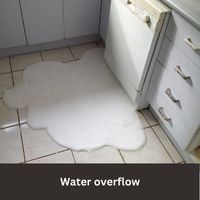
In some cases, a malfunctioning turbidity sensor can cause the dishwasher to experience water overflow.
If the sensor is not accurately measuring the amount of water in the appliance, it may allow too much water to enter the dishwasher, resulting in overflow.
Diagnosing a bad turbidity sensor
To diagnose a bad turbidity sensor, you’ll need to perform some basic troubleshooting. Start by unplugging the dishwasher and removing the outer casing to access the internal components.
Use a multimeter to test the turbidity sensor and see if it is functioning properly. If the sensor is not functioning correctly, it will need to be replaced.
Fixing a bad turbidity sensor
If you’ve determined that the turbidity sensor is the cause of the issue with your dishwasher, you’ll need to replace it.
To replace the sensor, consult the user manual for your dishwasher and follow the instructions for accessing and replacing the component. In most cases, replacing the turbidity sensor will require some basic appliance repair skills and the use of tools such as a screwdriver. If you’re not comfortable handling the task yourself, it’s always a good idea to consult a professional.
FAQs
What is a turbidity sensor in a dishwasher?
A turbidity sensor is a component in a dishwasher that measures the amount of dirt and debris in the water during the wash cycle.
It works by shining a light through the water and measuring the amount of light that is absorbed or scattered.
How do I know if my dishwasher’s turbidity sensor is bad?
There are several symptoms of a bad turbidity sensor in a dishwasher, including poor cleaning performance, error codes or messages on the control panel, inconsistent wash cycles, and water overflow.
Can I fix a bad turbidity sensor in my dishwasher myself?
In most cases, fixing a bad turbidity sensor in a dishwasher is a task that can be tackled by most homeowners with some basic appliance repair skills.
However, if you’re not comfortable working with appliances or if you’re not sure how to diagnose the issue with your dishwasher, it’s always a good idea to consult a professional.
Is it dangerous to fix a dishwasher’s turbidity sensor?
There is some risk involved in fixing a dishwasher’s turbidity sensor, as it may require working with electrical components or disassembling the appliance.
It’s always a good idea to follow all safety precautions and use caution when working with appliances. If you’re not comfortable handling the task yourself, it’s always a good idea to consult a professional.
Conclusion
A bad turbidity sensor in a dishwasher can affect the appliance’s performance and result in dishes that are not adequately cleaned. By understanding the symptoms of a bad turbidity sensor and knowing how to diagnose and fix the issue, you can keep your dishwasher running smoothly and effectively. While the process may require some disassembly and the use of tools such as a multimeter, with the right tools and some patience, it’s a task that can be easily completed in an afternoon.
Related Guides